Blog

Stay up to date with the latest from our blog.

Pregnant after 18 years as AI helps find Hidden Sperm
news

Pregnant after 18 years as AI helps find Hidden Sperm

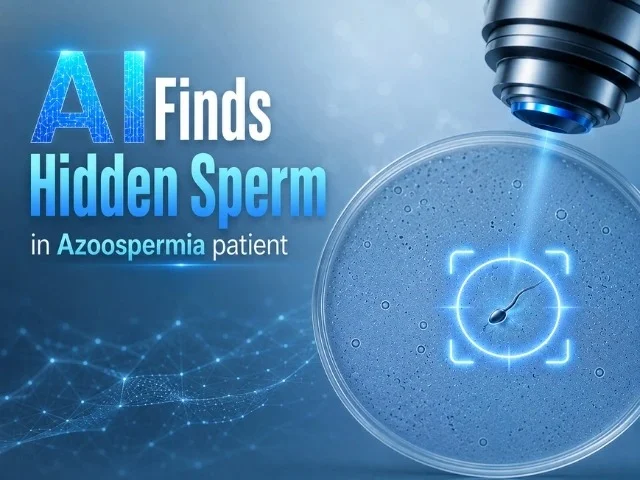
A team of skilled embryologists spent two days searching one man's semen sample for a single sperm cell. They found nothing.One hour later, an AI system called STAR, found 44.That moment, at Columbia University Fertility Center, sits behind the first confirmed pregnancy from AI-guided sperm retrieval, a new approach to one of the toughest problems in male infertility: azoospermia, a diagnosis of zero measurable sperm.The diagnosis that blindsides healthy menA standard semen sample typically holds hundreds of millions of sperm, but for a man with azoospermia, that count is zero. Most men with the condition feel completely normal and have no symptoms.Male-factor issues play a role in roughly 40 percent of infertility cases, according to Dr. Zev Williams, director of the Columbia University Fertility Center. Azoospermia affects an estimated 10 to 15 percent of men diagnosed with infertility.Until now, in such cases, doctors relied on surgical extraction from testicular tissue, which carries risk of scarring and can only be repeated a limited number of times.Sometime, hormone medication also helped, but only when an underlying hormone imbalance is the cause.“This often is a really heartbreaking and shocking and unexpected diagnosis,” Williams said. “Most men who have azoospermia feel completely healthy and normal. There’s no impairment of their sexual function, and the semen looks normal, too. The difference is that when you look at it under a microscope, instead of seeing literally hundreds of millions of sperm swimming, you just see cell debris and fragments but no sperm.”One cell in a thousand haystacksSTAR pairs high-speed imaging with an AI model trained to recognize a single sperm cell by shape alone. Here is what happens once a sample goes in:A high-powered camera scans the sample, capturing more than 8 million images in under an hour.AI software reviews the images in real time, flagging anything that matches the profile of a sperm cell.A microfluidic chip, engraved with channels roughly the width of a human hair, isolates the flagged cell from surrounding debris.A robotic mechanism lifts the cell out within milliseconds, with no lasers, stains, or centrifuging that could damage it.The cell can be used right away to fertilize an egg, or frozen for later.“It’s like searching for a needle scattered across a thousand haystacks, completing the search in under an hour and doing it so gently, without any harmful lasers or stains, that the sperm can still be used to fertilize an egg,” Williams said.The name is a nod to astronomy. “They’ll look at a sky with hundreds of millions of stars in it, and they want to find one different than all the others,” Williams told the Columbia Daily Spectator. “So, we had to look through a field of hundreds of millions of fragments to find the one sperm.”44 sperm, two embryos, one pregnancyThe clearest test of STAR came from a couple who had tried to conceive for close to two decades. Fifteen IVF cycles. Two surgical extractions. Years of manual searches under a microscope. None of it had worked.Then came the sample the technicians spent two days searching by hand and came up empty. STAR found sperm in it within an hour.“A patient provided a sample, and highly skilled technicians looked for two days through that sample to try to find sperm. They didn’t find any. We brought it to the AI-based STAR System. In one hour, it found 44 sperm,” Williams said. “So right then, we realized, ‘Wow, this is really a game-changer. This is going to make such a big difference for patients.’”Three hidden sperm cells came out of that sample. A case report on the pregnancy, later published in The Lancet, said two were confirmed viable and became embryos, drawn from a 3.5 mL sample that STAR scanned in about two hours.“When they got the positive pregnancy test, the entire lab was jumping up and down, cheering,” Williams told the Columbia Daily Spectator. “To help bring life and joy into the world, to see that kind of success, that’s literally why we do everything that we do.”The couple asked to stay anonymous. “We kept our hopes to a minimum after so many disappointments,” the wife said in a statement. “It took me two days to believe I was actually pregnant. I still wake up in the morning and can’t believe if this is true or not. I still don’t believe I am pregnant until I see the scans.”Is this actually a breakthrough? Physicians who had no role in building STAR say the concept fits AI's strengths well: spotting a rare, specific pattern buried in a huge amount of visual noise.“The reason AI is so well-suited for this is AI really relies on learning: showing it an image of what a sperm looks like, what the shape is, what characteristics it should have, and then being able to use that learning algorithm to help identify that specific image that you’re looking for,” said Dr. Sevann Helo, a urologist at Mayo Clinic who specializes in male infertility. “It’s very exciting. AI, in general, at least in the medical community, I think is a whole new landscape and really will revolutionize the way we look at a lot of problems in medicine.”Dr. Aimee Eyvazzadeh, a San Francisco-based reproductive endocrinologist, called it additive rather than transformative on its own. “AI isn’t creating sperm, it’s helping us find the rare, viable ones that are already there but nearly invisible,” she said. “It’s a breakthrough not because it replaces human expertise, but because it amplifies it, and that’s the future of fertility care.”Not everyone is convinced it is ready for wide use. Dr. Gianpiero Palermo, a professor of embryology at Weill Cornell Medicine who pioneered the sperm injection technique used across IVF labs worldwide, said AI models in reproductive medicine still need more validation.“AI is gaining a lot of traction nowadays to offer unbiased evaluation on embryos by looking at embryo morphology. However, current available models are still somewhat inconsistent and require additional validation,” Palermo said. Of the STAR method specifically, he added: “In my opinion, this approach is faulty because inevitably some men will have no spermatozoa, doesn’t matter how their specimens are screened whether by humans or a machine.”What to do if you've been diagnosed with AzoospermiaSTAR is currently available only at Columbia University Fertility Center, and the results so far come from a handful of documented cases, not a large clinical trial. Williams has said the team plans to publish its methods so other centers can eventually offer it.Ask your clinic directly whether AI-assisted sperm retrieval is something they offer or plan to offer, since it is still limited to specific centers.A past azoospermia diagnosis from a manual search does not automatically rule out finding viable sperm with more sensitive methods.A single viable sperm cell can be enough to attempt fertilization through IVF, so a very low count is not the end of the process.Independent experts want to see the approach validated in larger studies before it becomes standard practice.

IVF cost in Thailand 2026
blog

IVF cost in Thailand 2026

In vitro fertilization cost in Thailand in 2026 falls between ฿135,000 and ฿450,000 per cycle, depending on the procedure, medication protocol, and hospital you choose. This guide breaks down what you'll pay for standard IVF, ICSI, and PGT testing, donor egg treatment, and frozen embryo transfer in Thailand, along with the costs that often catch patients off guard.Cost ranges below are compiled from collecting pricing at five top Thailand fertility clinics. Average cost of IVF treatment in ThailandYour package for IVF in Thailand would normally include your ovarian stimulation monitoring, egg retrieval, laboratory fertilization, and a fresh embryo transfer. Confirm with your clinic what is included in your specific package.ProcedurePrice range (THB) Price range (USD)Standard IVF cycle, fresh transfer฿200,000 – ฿350,000 $6,030 – $10,550IVF with ICSI฿240,000 – ฿300,000 $7,235 – $9,045IVF, ICSI, and PGT-A combined฿250,000 – ฿330,000 $7,535 – $9,950Donor egg IVF฿250,000 – ฿350,000 $7,535 – $10,550Frozen embryo transfer only฿50,000 – ฿80,000 $1,505 – $2,410Medication, billed separately at most clinics฿60,000 – ฿150,000 $1,810 – $4,520What influences the cost of IVF in Thailand?Price differences between clinics usually reflect lab standards, equipment, embryologist staffing, and facility accreditation rather than the core IVF protocol itself, which is largely standardized. However, the most important factor that contributes to the cost is the doctor’s skill and experience. At some clinics, you may have senior doctors and specialist doctors charging different prices even though the facility and equipment is the same. Patients with complex cases or previous IVF failures do not mind paying for the senior doctors’ experience. We've seen many patients choose and pay higher for experienced specialists because they value the judgment that comes from managing thousands of IVF cycles, particularly when standard approaches haven't worked. What's included in an IVF package price in ThailandIncluded in most packages:Ultrasound monitoring during stimulationBloodwork during stimulationEgg retrieval procedure and sedationLaboratory fertilization and embryo cultureOne embryo transferUsually billed separately:MedicationPGD or PGT testingICSIEmbryo storage beyond the first yearA second cycle if your first attempt does not result in pregnancyInitial consultation and testing costs vary for patients, depending upon what reports you already have and if you need any advance testing. The costs are typically between ฿8,000 – ฿12,000 for consultation, ultrasounds, blood tests, semen analysis, and any counselling (if required).How ICSI affects your IVF cost in ThailandICSI is commonly added to an IVF cycle in Thailand when sperm count, motility, or morphology are a factor. Clinics generally quote it as a fixed add-on rather than a variable fee, so you can compare this figure directly across providers.Many top clinics, like Safe Fertility in Thailand, offer ICSI as a standard service for all IVF cycles without any extra cost.If ICSI is not included in your package, you’re looking at an additional cost of around ฿15,000- ฿25,000.What PGD testing costs in ThailandPGT-A and PGT-M testing add a genetic screening step before your embryo transfer. Genetic testing with IVF in Thailand is highly sought service as many couples want to screen their embryos for the correct number of chromosomes before implantation. This helps reduce the incidence of miscarriages, failed implantations, and conditions like Downs syndrome.ServicePrice (THB)PGT-A testing, up to 3 embryosFrom ฿76,000PGT-A testing, additional embryosFrom ฿18,000/embryoPGT-M testing (done for specific genetic diseases)Variable price, depends upon the conditions to be testedDonor egg IVF pricing in ThailandCommercial donor egg IVF is not legally allowed in Thailand. You can only pursue a donor egg cycle if a family member is willing to donate on your behalf without compensation, and you receive special approval from the clinic's ethics committee.Only a small number of clinics offer this service. Be cautious of any clinic that asks for extra cash to complete your donor cycle. That's a sign of a sub-standard provider operating outside Thailand's legal framework.Since donor compensation is not permitted, your cost covers clinic procedure fees only: ethics committee review, cycle synchronization with your donor, egg retrieval, fertilization, and your embryo transfer.What a frozen embryo transfer costs in Thailand?A frozen embryo transfer using embryos already frozen at your clinic covers cycle monitoring, medications, endometrial preparation, and the transfer itself.ServicePrice (THB)Frozen embryo transfer (FET)฿40,000 – ฿65,000Embryo storage (for upto 5 embryos), per year after year one฿10,000 – ฿20,000Medication costs for an IVF cycle in ThailandFertility medication for a single IVF cycle in Thailand costs you ฿60,000 to ฿150,000. Most clinics bill this separately from the base package price.What moves your medication cost within that range:Your prescribed dosageYour stimulation protocolHow your ovaries respond to stimulationTwo patients at the same clinic can pay very different medication costs based on these three factors.Cheapest IVF options in Thailand: hospital vs. clinic pricingThailand has both JCI-accredited hospitals and smaller, independent fertility clinics offering IVF, and there is a significant price gap between the two.Even so, independent clinics are often highly professional, and in some cases hold higher standards than larger hospitals. Based on our experience placing patients, independent clinics in Thailand have handled complex fertility cases just as effectively as larger hospitals, often with faster response times. Bigger hospitals typically involve more layers between you and your care team, which can slow down communication during your cycle.What the higher hospital price usually buys you:On-site NICU and OB-GYN backupLarger embryology teamsDedicated international patient coordinatorsSome independent clinics now operate within full-service hospitals, while retaining their brand, so you get the best of both.Clinic concentration also shapes your options. IVF clinics in Bangkok make up the largest share of Thailand's fertility providers, which keeps competition and pricing transparent. IVF options in Phuket are fewer in number, but based on patient feedback we received over the past decade, it is safe to say they are high-quality.Additional costs to budget for beyond the treatment packagePre-cycle fertility testing and bloodwork: ฿10,000 to ฿30,000Anesthesia for egg retrieval: ฿10,000 to ฿20,000Embryo storage after year one: ฿10,000 to ฿20,000 per yearA second cycle if your first attempt does not result in pregnancy: full package price applies again (with Infertility Aide you get 5-10% discount on repeat cycles)These costs are sometimes not included in your package price. Confirm with your clinic or agency what's covered before you commit.

The Surprising Link Between Gum Disease and Fertility
news

The Surprising Link Between Gum Disease and Fertility

The link between gum disease and fertility may be closer than you expect. A study published in May 2026 in the Journal of Dental Research found that chronic oral inflammation triggered a systemic immune response that reached the ovaries, damaging egg quality and reducing live birth rates.The subjects were mice, which limits direct application to humans. But the finding adds to a growing body of evidence suggesting that oral health may play an underrecognized role in reproductive outcomes.What did the study find?Researchers at the Hebrew University of Jerusalem, led by Prof. Michael Klutstein and Prof. Asaf Wilensky, used a mouse model of chronic oral inflammation associated with dental implants. Rather than simply observing whether fertility declined, the team tracked the biological pathway connecting the mouth to the ovaries.They found that the inflammation did not stay localized. Instead, it triggered a systemic immune response that traveled through the body and reached the ovaries, where it caused measurable biological damage.How oral inflammation reaches the ovariesAfter inducing chronic inflammation in the mouth, researchers measured immune activity across the body, including in the lymph nodes, spleen, and ovaries. They found elevated levels of inflammatory cytokines in the ovaries. Cytokines are proteins that immune cells use to signal during inflammation.The study also identified changes in ovarian immune cell populations and increased oxidative damage to ovarian tissue. Oxidative damage occurs when harmful molecules injure cells, impairing their ability to function normally.The impact on egg qualityThe biological changes observed in the ovaries had direct reproductive consequences. Mice exposed to chronic oral inflammation showed:Disrupted follicle development (follicles are the structures in the ovaries that contain developing eggs)Reduced oocyte quality (oocytes are immature egg cells)Lower live birth rates compared to controlsDNA damage and epigenetic alterations in eggs similar to those seen in reproductive agingThat last finding is particularly significant. The epigenetic changes, which affect how genes behave without altering DNA itself, mirrored patterns typically associated with an aging reproductive system. Chronic inflammation appeared to accelerate some of the same cellular changes that occur naturally over time.What this means for women trying to conceive?According to Dr. Wian, a leading IVF specialist in Thailand, this is an interesting finding but we need to study this aspect a lot more before any practical application. "This research was conducted in mice, not humans, and as the authors have noted further clinical studies are needed before the findings can be applied to patient care," he said. "Fertility is influenced by many factors, many of which are outside your control."That said, oral health is already associated with a range of systemic conditions, including cardiovascular disease, insulin resistance, and adverse pregnancy outcomes. Periodontitis, a severe form of gum disease that damages the tissue and bone supporting the teeth, is both common and preventable.Prof. Klutstein stated: "Chronic oral inflammation may be an underrecognized factor in female infertility, potentially contributing to cases that currently have no clear explanation."If confirmed in humans, the researchers said the findings could support new diagnostic and treatment approaches, including anti-inflammatory and antioxidant strategies aimed at improving fertility outcomes.Signs of gum disease to watch forGum disease often develops gradually and without obvious pain. Common signs include:Bleeding gums when brushing or flossingPersistent bad breath not resolved by brushingGum recession or teeth appearing longer than usualSwollen, red, or tender gumsLoose teeth or changes in biteIf you notice any of these signs, speak with a dentist. Routine dental checkups remain the most reliable way to detect and address gum disease early.

Human Eggs Prefer Some Men's Sperm Over Others, Study Finds
blog

Human Eggs Prefer Some Men's Sperm Over Others, Study Finds

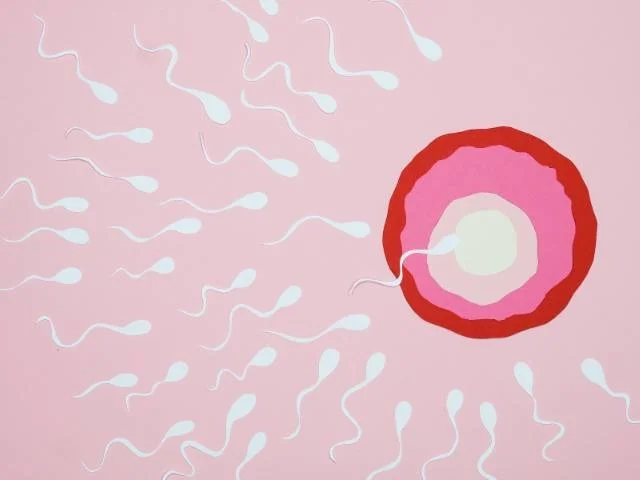
For decades, fertility research treated fertilization like a race between sperm and a recent study suggests the egg may play a more active role in sperm selection than scientists once believed.Researchers from Stockholm University and the University of Manchester found that chemicals surrounding a woman’s egg attract some men’s sperm more strongly than others.Interestingly, in many cases, the stronger attraction was not reflected towards the sperm of woman’s actual partner.The study was published in Proceedings of the Royal Society B.What researchers found?The team studied follicular fluid, the liquid that surrounds an egg during ovulation. This fluid releases chemical signals that sperm can detect and swim toward.Researchers used a number of samples from couples undergoing IVF treatment, and tested how sperm from different men responded to follicular fluid from different women.The results were consistent across repeated experiments.Key findings included:Eggs attracted 18% to 40% more sperm from some men compared to others The concentration of sperm in the follicular fluid was 10 times higher than in control solutions A woman’s follicular fluid did not consistently attract her partner’s sperm more strongly than sperm from another man The same sperm performed differently depending on which woman’s follicular fluid it encountered Why did the sperm react differently towards different eggs?Researchers believe progesterone signaling may explain part of the effect.Sperm contain channels called CatSper that respond to progesterone and related chemicals. When activated, sperm movement becomes faster and more targeted.Each woman’s follicular fluid appears to contain a slightly different chemical mix.Some men’s sperm reacted strongly to one woman’s fluid while barely responding to others.That means compatibility between egg and sperm may matter in ways current fertility testing does not measure or understand.Why this matters in IVF?Today, around one in four infertility cases are classified as unexplained infertility. Now, these are cases where hormone levels, ovulation, sperm counts, and scans all appear normal, but the couple is unable to achieve a pregnancy.This study raises the possibility that sperm and egg may sometimes be chemically incompatible despite otherwise normal test results.That interaction is not currently measured in routine fertility testing or IVF screening.Patients undergoing fertility treatment often experience unexplained fertilization or implantation failure despite normal test results.What the study does not prove?Some of the findings have been exaggerated online.The study did not show eggs consciously “choosing” sperm or rejecting partners. It also did not prove that eggs prefer genetically superior men.The experiments were performed in laboratory conditions using IVF samples and follicular fluid analysis.Researchers only showed that sperm responses changed depending on the chemical environment surrounding the egg.However, the findings add to growing evidence that fertilization is more complex than a simple race between sperm. The egg may influence the process more than scientists previously understood.

How Many Eggs Retrieved in IVF is Considered Good?
blog

How Many Eggs Retrieved in IVF is Considered Good?

Anna and her husband had already undergone two cycles of IVF overseas. They had three eggs retrieved in their third, and what they decided would be their last, cycle of IVF in Malaysia. She prepared for disappointment. Three was not a number that inspired confidence in anyone in the room. All three eggs fertilized. They were sent for chromosomal screening and two came back euploid. They transferred both. Anna is now the mother of a boy and a girl.The textbook answer to the question of ideal number of eggs in IVF is 8 to 15. Anna had three. Her story is not the exception it sounds like.What is a good egg count in IVF?The 8 to 15 range comes from a 2011 analysis of 400,135 IVF cycles (Sunkara et al.), where live birth rates peaked at around 15 eggs and declined beyond 20. It describes a population average, not an individual prediction.Retrieval numbers fall into five broad response categories:Fewer than 4: poor ovarian response4 to 7: low-normal response8 to 15: optimal range16 to 20: high responseMore than 20: hyper-response; OHSS risk presentWhat determines success is not retrieval count but how many eggs are mature, how many fertilize, and how many develop into chromosomally normal embryos.Good egg count by ageOvarian reserve declines with age, reducing both the number of eggs produced and the proportion that are chromosomally normal. AMH and antral follicle count are more reliable predictors of your individual response than age brackets alone. Age groupTypical retrieval rangeApprox. euploid rate per eggUnder 3510 to 2050 to 70%35 to 378 to 1540 to 55%38 to 405 to 1225 to 40%41 to 423 to 815 to 25%Over 421 to 5Under 15%At 40, retrieving 10 eggs may yield one or two euploid blastocysts. At 32, the same retrieval might produce five. Retrieval number and embryo outcome are related but not interchangeable.Success rates by egg countLive birth rates do not scale linearly with retrieval numbers. The Sunkara et al. data showed clear diminishing returns above 15 eggs and a decline beyond 20: Eggs retrievedApprox. live birth rate (fresh cycle)1 to 35 to 10%4 to 915 to 25%10 to 1530 to 40%16 to 2035 to 40% (plateau)More than 2030 to 35% (declining, OHSS risk increases)Patient cohort data from experienced programs shows that cumulative live birth rates are often comparable between patients who retrieved 8 to 12 eggs and those who retrieved 14 to 18, when PGT-A is used. The main advantage of higher retrieval is having embryos available for future cycles, not a meaningfully better first-transfer outcome.Total retrieved vs. mature eggs: the number that actually mattersOnly mature eggs (MII) can be fertilized. In most cycles, 70 to 85% of retrieved eggs reach this stage. The morning-after fertilization report, showing eggs with two pronuclei (2PN), is the real starting number for your cycle. Ask your clinic to report the MII count separately if they don't already.From a retrieval of 12 eggs, here is what typical attrition looks like: StageExpected rateExample: 12 eggs retrievedMature (MII)70 to 85%8 to 10Fertilized (2PN)60 to 80% of mature5 to 8Blastocysts (day 5/6)40 to 60% of fertilized2 to 5Euploid (if PGT-A)Varies by age1 to 4This attrition is not failure. It is the same natural selection that occurs in unassisted reproduction, made visible in the lab.When a high egg count is not idealRetrieving more than 20 eggs introduces complications that do not apply to optimal-range cycles.OHSS risk. Over-response causes ovarian swelling and abdominal fluid accumulation. Severe cases require hospitalization. A GnRH antagonist trigger instead of hCG significantly reduces this risk and is standard in high-responder protocols.Freeze-all is usually required. Fresh transfer is canceled when OHSS risk is present. All embryos are frozen for a later cycle. This does not compromise outcomes; frozen transfer produces equivalent or better live birth rates than fresh transfer in hyperstimulated cycles.[2]Volume does not offset age-related chromosomal decline. A retrieval of 25 eggs in a 41-year-old may yield only one or two euploid blastocysts after PGT-A. High egg count and high egg quality are separate variables.Immature egg rates increase with over-stimulation. Very aggressive protocols, particularly in PCOS patients, can produce 30 or more eggs with MII rates well below 70%. The usable cohort is often smaller than the headline figure suggests.Quality vs. quantity: what matters beyond egg countTwo patients with identical retrieval numbers can reach very different embryo outcomes. Several factors determine what happens within that ceiling.Egg quality. Mitochondrial function and chromosomal integrity affect fertilization and development. Conditions like endometriosis can impair egg quality independent of ovarian reserve.Sperm DNA fragmentation. Not captured in a standard semen analysis, but it affects blastocyst development. Relevant when fertilization rates or blastocyst rates are consistently low.Laboratory conditions. Incubator stability, culture media, and oxygen concentration measurably affect blastocyst rates. This is why outcomes differ between clinics with similar patient profiles.Stimulation protocol. Protocols calibrated for mature egg proportion, rather than maximum total count, tend to produce better blastocyst development rates even when the retrieval figure is lower.Clinic experience with your profile. Centers that regularly treat patients with your diagnosis develop protocol refinements that lower-volume clinics cannot replicate. Blastocyst development rate and euploid rate per retrieved egg are more informative comparison points than average retrieval numbers.What a low egg count means for your optionsRetrieving fewer than four eggs is classified as poor ovarian response. It does not rule out success, but it does mean the current protocol needs review before another cycle.Next steps your clinic may consider:Changing stimulation protocol, dose, or adding adjuncts such as growth hormoneModified trigger timing to improve the MII windowMini IVF or natural cycle IVF for very low reserveEmbryo banking across two or three retrievals before transferFor patients with severely diminished reserve, donor eggs offer substantially higher success rates. This conversation is more useful when it is based on embryo quality data from existing retrievals, not just retrieval numbers.What experienced clinics track beyond egg count?These metrics are rarely volunteered. Asking for them gives you a clearer basis for evaluating your cycle and comparing programs.Maturity rate (MII/total retrieved). Below 60% suggests trigger timing or stimulation issues.Fertilization rate. Consistently below 50% warrants investigation of sperm DNA integrity or ICSI technique.Blastocyst development rate. Below 30% in a patient under 37 with normal sperm parameters often points to lab or egg quality concerns. Strong programs benchmark this against published data.Euploid rate per egg retrieved. A clinic that can quote this figure for patients matching your age and diagnosis is giving you a more accurate expectation than generic population statistics.