The Surprising Link Between Gum Disease and Fertility
The link between gum disease and fertility may be closer than you expect. A study published in May 2026 in the Journal of Dental Research found that chronic oral inflammation triggered a systemic immune response that reached the ovaries, damaging egg quality and reducing live birth rates.
The subjects were mice, which limits direct application to humans. But the finding adds to a growing body of evidence suggesting that oral health may play an underrecognized role in reproductive outcomes.
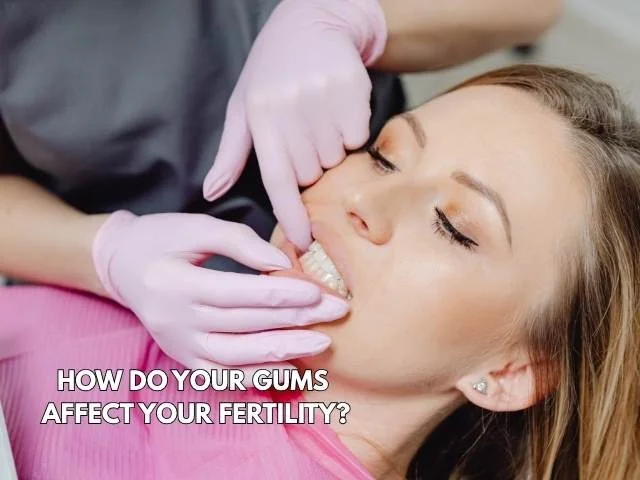
What did the study find?
Researchers at the Hebrew University of Jerusalem, led by Prof. Michael Klutstein and Prof. Asaf Wilensky, used a mouse model of chronic oral inflammation associated with dental implants. Rather than simply observing whether fertility declined, the team tracked the biological pathway connecting the mouth to the ovaries.
They found that the inflammation did not stay localized. Instead, it triggered a systemic immune response that traveled through the body and reached the ovaries, where it caused measurable biological damage.
How oral inflammation reaches the ovaries
After inducing chronic inflammation in the mouth, researchers measured immune activity across the body, including in the lymph nodes, spleen, and ovaries. They found elevated levels of inflammatory cytokines in the ovaries. Cytokines are proteins that immune cells use to signal during inflammation.
The study also identified changes in ovarian immune cell populations and increased oxidative damage to ovarian tissue. Oxidative damage occurs when harmful molecules injure cells, impairing their ability to function normally.
The impact on egg quality
The biological changes observed in the ovaries had direct reproductive consequences. Mice exposed to chronic oral inflammation showed:
- Disrupted follicle development (follicles are the structures in the ovaries that contain developing eggs)
- Reduced oocyte quality (oocytes are immature egg cells)
- Lower live birth rates compared to controls
- DNA damage and epigenetic alterations in eggs similar to those seen in reproductive aging
That last finding is particularly significant. The epigenetic changes, which affect how genes behave without altering DNA itself, mirrored patterns typically associated with an aging reproductive system. Chronic inflammation appeared to accelerate some of the same cellular changes that occur naturally over time.
What this means for women trying to conceive?
According to Dr. Wian, a leading IVF specialist in Thailand, this is an interesting finding but we need to study this aspect a lot more before any practical application. "This research was conducted in mice, not humans, and as the authors have noted further clinical studies are needed before the findings can be applied to patient care," he said. "Fertility is influenced by many factors, many of which are outside your control."
That said, oral health is already associated with a range of systemic conditions, including cardiovascular disease, insulin resistance, and adverse pregnancy outcomes. Periodontitis, a severe form of gum disease that damages the tissue and bone supporting the teeth, is both common and preventable.
Prof. Klutstein stated: "Chronic oral inflammation may be an underrecognized factor in female infertility, potentially contributing to cases that currently have no clear explanation."
If confirmed in humans, the researchers said the findings could support new diagnostic and treatment approaches, including anti-inflammatory and antioxidant strategies aimed at improving fertility outcomes.
Signs of gum disease to watch for
Gum disease often develops gradually and without obvious pain. Common signs include:
- Bleeding gums when brushing or flossing
- Persistent bad breath not resolved by brushing
- Gum recession or teeth appearing longer than usual
- Swollen, red, or tender gums
- Loose teeth or changes in bite
If you notice any of these signs, speak with a dentist. Routine dental checkups remain the most reliable way to detect and address gum disease early.
Frequently Asked Questions
Questions about gum disease and fertility
Does gum disease cause infertility?
There is no evidence that gum disease directly causes infertility in humans. The 2026 study was conducted in mice and identified a biological pathway linking oral inflammation to ovarian damage, but the authors emphasized that clinical research in humans is still needed before drawing firm conclusions.
Can treating gum disease improve fertility?
There is currently no clinical evidence that treating gum disease improves fertility outcomes in humans. However, treating periodontitis is important for overall health, and reducing unnecessary sources of chronic inflammation is generally considered beneficial.
Is gum disease common in women trying to conceive?
Gum disease is widespread across the general population. Hormonal changes during the menstrual cycle, pregnancy, and perimenopause can affect gum sensitivity, making regular dental care especially relevant for women at different reproductive stages.
Should I see a dentist before starting IVF?
This is a question to raise with your fertility doctor and dentist. There is no universal protocol requiring dental clearance before IVF. However, if you have signs of active gum disease, addressing it as part of your overall health preparation is reasonable.
How is this research relevant to unexplained infertility?
Unexplained infertility is diagnosed when no clear cause can be identified. The researchers suggested that chronic oral inflammation may be a contributing factor in some of these cases. If future human studies confirm this link, it could open new avenues for investigation in patients without a current diagnosis.
References
The 2026 mouse study (Journal of Dental Research)
Kles, P., Ameho, S., Wasserzug-Pash, P., Saar, O., Naamneh, R., Jaber, Y., Netanely, Y., Dahan, R., Jaber, N. S., Jacobs, S., Reich, E., Klutstein, M., & Wilensky, A. (2026). Chronic oral inflammation impairs female reproduction in a murine model. Journal of Dental Research. https://doi.org/10.1177/00220345251412768
The time-to-conceive study (Human Reproduction)
Hart, R. (2012). Periodontal disease: a potential modifiable risk factor limiting conception. Human Reproduction, 27(5), 1332. https://doi.org/10.1093/humrep/des034
Hart commentary (Women's Health)
Hart, R. (2012). Periodontal disease: could this be a further factor leading to subfertility and is there a case for a prepregnancy dental check-up? Women's Health, 8(3), 229–230. https://doi.org/10.2217/whe.12.15